
ShortsTV Filmmaker Spotlight: Ji Strangeway
JI STRANGEWAY ON DIRECTING INTIMACY SCENES AND WORKING WITH LGBTQ WOMEN
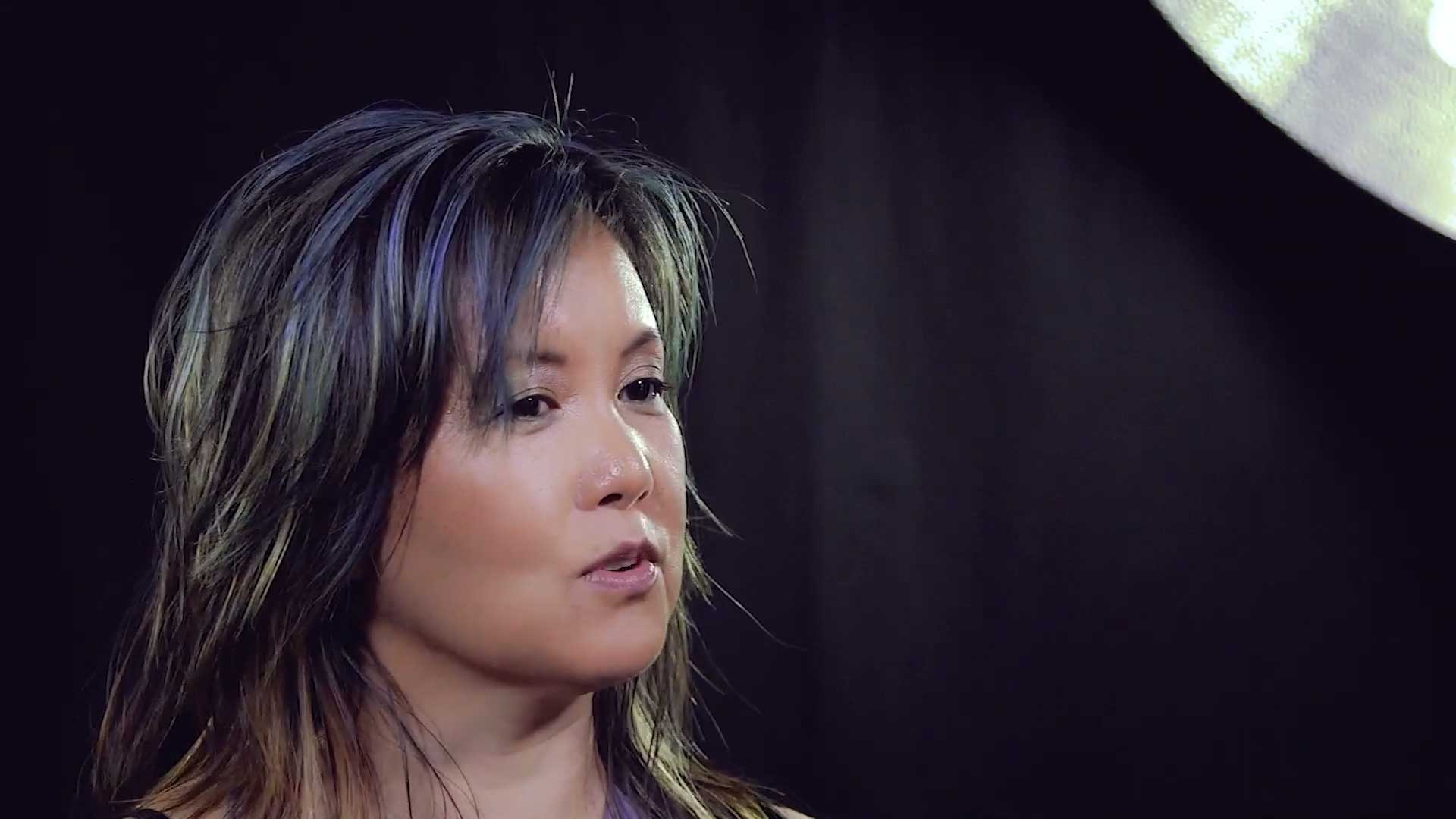
My passion is love stories.
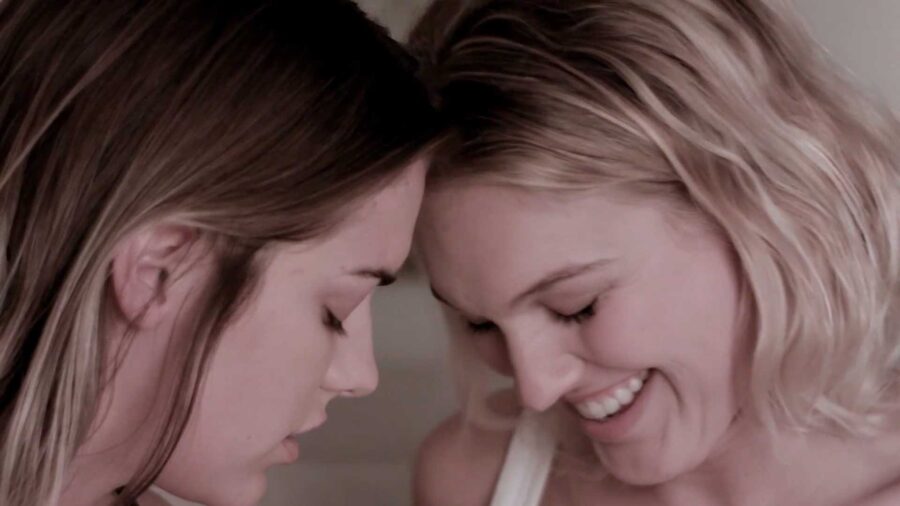 I’m compelled to tell stories that bring out beauty and love through dark experiences. That’s the journey that I personally had to go through to find love. So I made NUNE because in the 1980s’, to fit in, everything was very Americana. I don’t know if people who are under 30 will remember the Partridge family and the Brady bunch kind of thing, where everything’s very American, very white, I guess you could say. So if you weren’t blonde and a cheerleader, driving a red Mustang or whatever, you’re pretty much don’t fit in. You’re kind of invisible.
Back then I know that there were a lot of girls that were, you know, popular or straight looking, but they weren’t allowed to be in love with the same sex. So I wanted to make this story to give a lot of kids who were still going through that hope, that it’s not so much about getting a cheerleader, a blonde girl. It’s about the, the beauty of love that two very different people can come together. It’s about the empathy and the compassion of the popular girl, you know, not being shallow and everything. That’s basically what inspired this short film.
I was absolutely determined to have a female DP and if I could, I could have an all female crew. And the reason for that isn’t so much because I’m sexist, but I am very protective when I work with women. I’m very protective. When I work with LGBT women.
I’m extremely protective. When I work with human sexuality. There’s something about women feeling safe around women in terms of these types of scenes. And I needed a softer, more delicate approach for the actors to feel safe and creative.
I love directing intimate scenes. I love the beauty of the movement, the touching and just how you can communicate bodies language without having to be raunchy. I, I love it. I love the beauty. Being an actress is one thing, but also having life experiences that contribute to being an act, an actress, emotional availability, just having owned your own experience of intimacy or just, you know, your relationship to your body really does affect your directing and your acting. So I was a little bit taken aback by directing a scene with teenagers because it comes with the territory that even though they’re in their twenties, not all of them. Experience enough or comfortable with their sexuality.
I love directing because you have this kind of 360 view of you have to know every department that’s going on, but the producing part is even more intense because you really have to manage all those things. And that was really hard. It’s like you only have one brain, you know, it’s almost like you have to have like five CPUs going on at the same time.
NUNE took about two years to complete. It’s not because it takes that long to film a short, but because just a lot of things fell apart as they often do when you’re making a film. I actually ended up with filming with actors that I didn’t start with.
The biggest message that I want the viewer to come out with is just love is love. I know that it sounds so basic, but even in my own life, the challenges of getting to that place is very difficult. A lot of people still don’t feel comfortable outside their skin when they love someone who’s different, whether it’s. A different class, a different race, a different, a gender that they didn’t expect to fall in love with. People still have a lot of fear around going with where their heart is.
If anything I want kids in particular to watch this. Feel the courage to love because the film gives them the reality that it is possible. Media is very powerful. It shows them that, hey, if this is happening, then it’s okay.